ADF Chaplain's Anzac Reflection on Sacrifice and Service
Written by CHAP Thomas Zaranski
A visit to the Australian War Memorial is included in the itinerary of many initial training facilities, including the Australian Defence Force Academy, where I currently serve. It is a moment deliberately set apart—an invitation for new soldiers, sailors, and aviators to pause, to reflect, and to begin to grasp the weight of the profession they are entering. I still remember my own first visit, years ago now, walking through those solemn halls as both a priest and a chaplain, conscious that I was stepping into a sacred space of national memory.
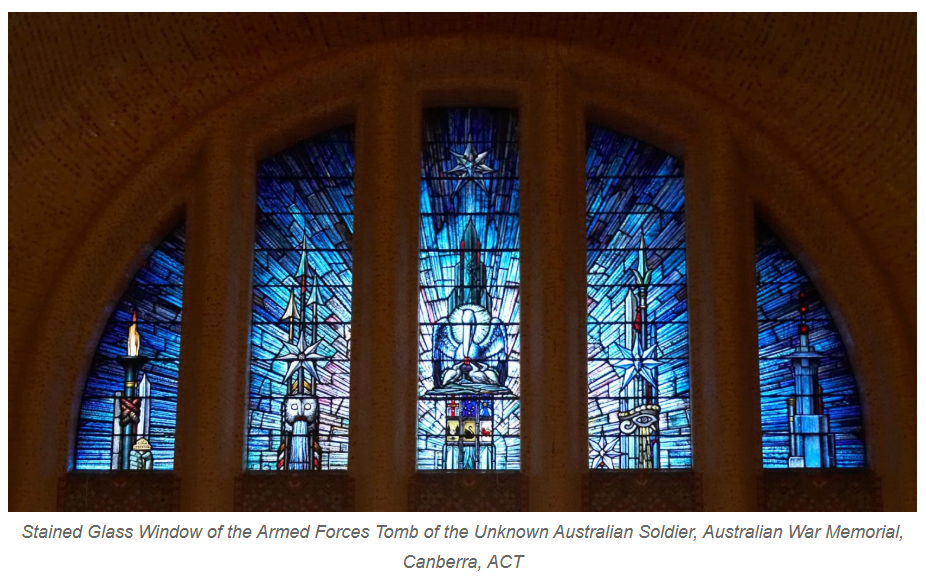
What struck me most was not only the vast roll of names nor even the Tomb of the Unknown Soldier itself, though both are profoundly moving. Rather, it was a detail easily overlooked: in a stained-glass window overlooking the tomb, there is an image of a pelican feeding its young with its own blood. At first glance it seems almost strange, even confronting. But for us as Catholics, this ancient symbol speaks with unmistakable clarity. The pelican, wounding itself to nourish its chicks, has long been understood as an image of Christ, who gives His very Body and Blood for the life of the world.
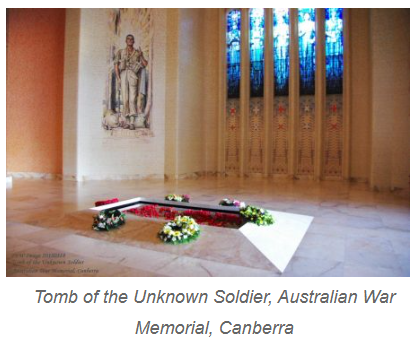
Standing there, what came to my mind were the words of Our Lord: “There is no greater love than to lay down one’s life for one’s friends.” (Jn 15:13) These words take on a particular resonance in that sacred place. They echo not only in the mystery of the Cross but also in the lives of countless men and women who have served—and in many cases, died—in the uniform of our nation.
As a chaplain in the Australian Army, I have the privilege of walking alongside soldiers, sailors and aviators at every stage of their journey: in training, on exercise, and sometimes in the most difficult circumstances of deployment. What becomes clear very quickly is that military service is not simply about strength or skill, though both are required. At its heart, it is about sacrifice and service—virtues that are deeply consonant with the Gospel itself.
Sacrifice in the military is not always dramatic or visible. More often, it is found in the daily offering of self: time away from family, missed milestones, the quiet endurance of hardship, and the willingness to place the needs of others before one’s own. It is seen in the young soldier who stands watch through the night so that others may rest, or in the officer who carries the burdens of leadership with humility and care.
Service, too, is a defining mark. Our soldiers serve not for personal glory, but for something greater than themselves: for their mates, for their communities, and for the enduring ideals of peace and freedom. In this, they reflect something of Christ the Servant, who came not to be served but to serve and to give His life as a ransom for many.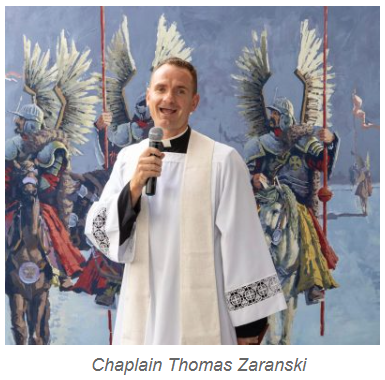
Anzac Day invites us as a nation to remember these realities. It is not simply a commemoration of past battles but a recognition of a spirit—a spirit of self-giving love that has been lived out in extraordinary ways across generations. For Catholics, this day also provides an opportunity to see more deeply, to recognise in these acts of sacrifice a reflection, however imperfect, of the perfect sacrifice of Christ.
The pelican in the stained-glass window remains for me a powerful image. It bridges the sacred and the civic, the altar and the memorial. It reminds us that true love is always costly, always self-giving, and always oriented towards the good of the other.
As we gather this Anzac Day—at dawn services, in quiet moments of prayer, or simply in our own reflections—may we give thanks for those who have given so much. And may we, in our own lives, be inspired to live out that same call to sacrificial love and faithful service, wherever God has placed us.






 Marist College, Canberra, ACT