

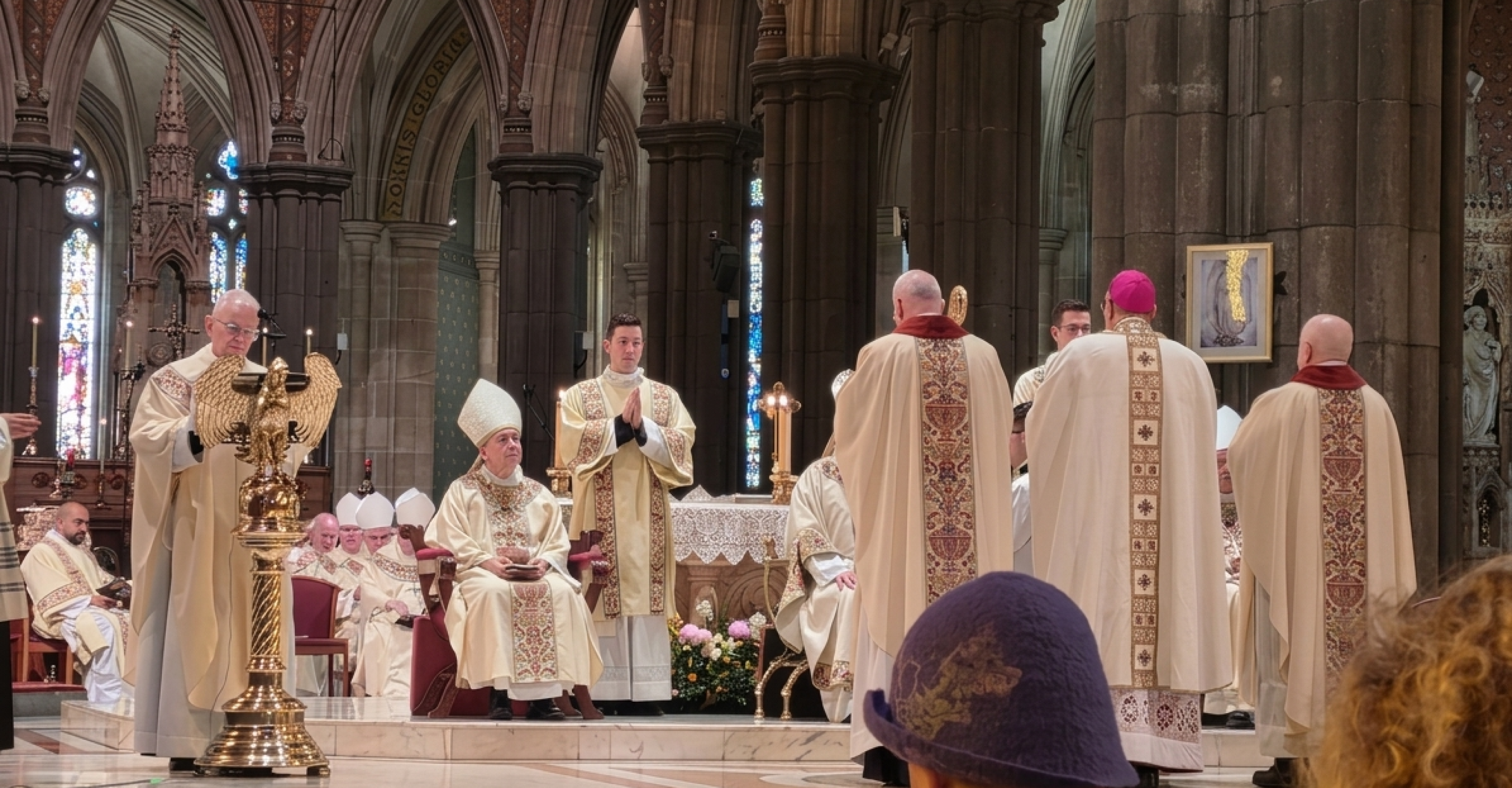
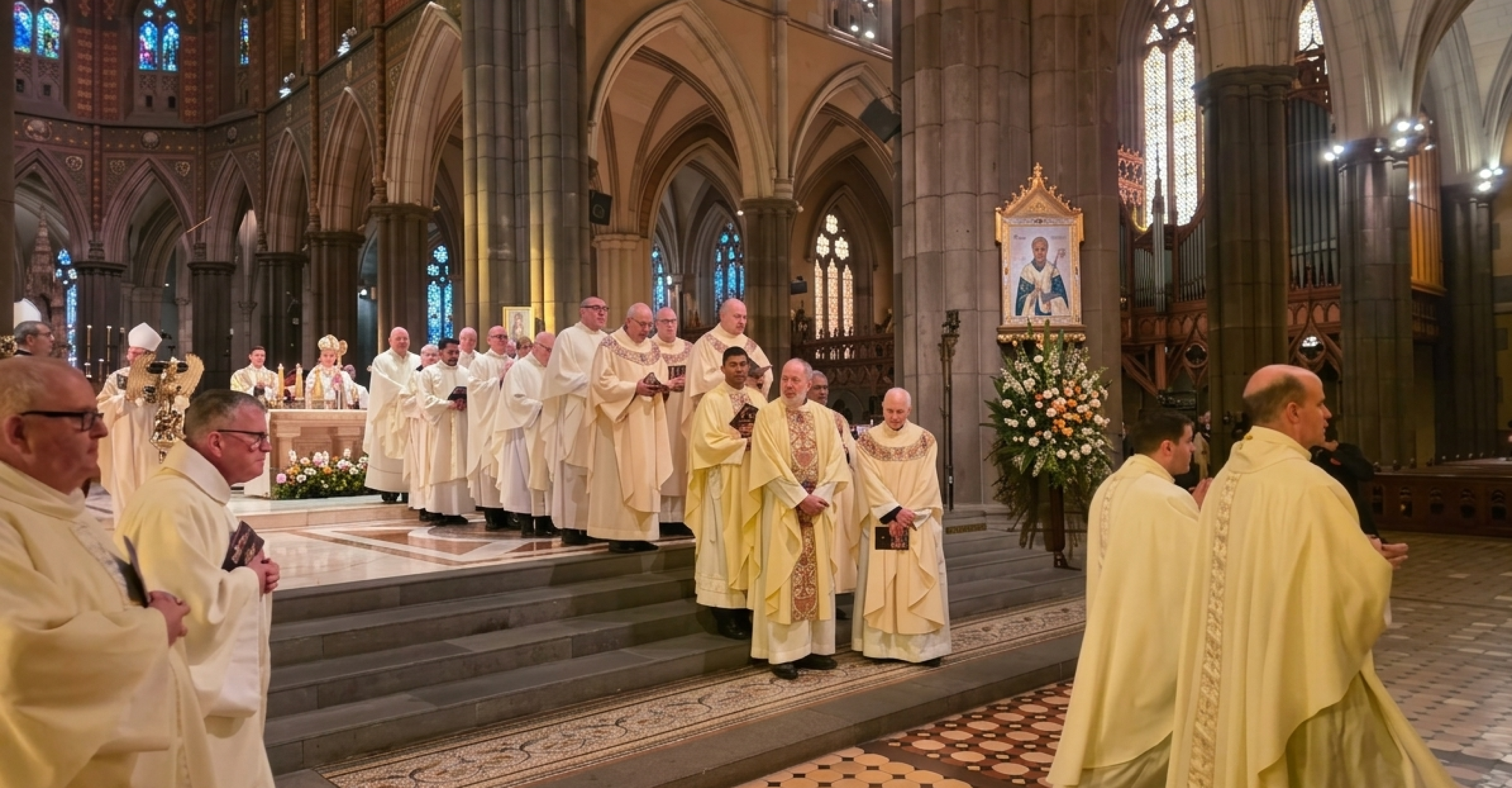

Serving those who serve the Nation


November: All Saints, All Souls and the Hope of Eternal Life
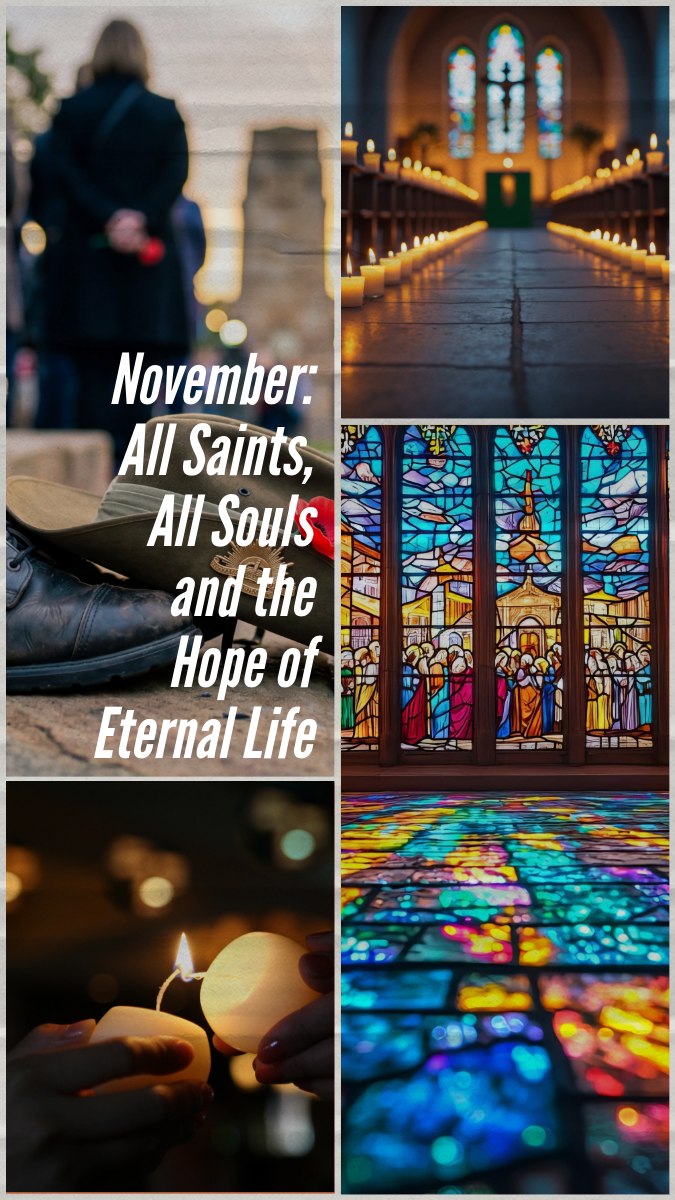
Pastoral Message – Military Ordinariate of Australia
November holds a particular place in the life of the Catholic Church. We begin by celebrating the Solemnity of All Saints, rejoicing in those who have attained the glory of heaven, and then the Commemoration of All the Faithful Departed, when we pray for our brothers and sisters who have died and commend them to the mercy of God.
For the Military Ordinariate of Australia, these observances carry a particular resonance. Military life teaches us the importance of duty, sacrifice, loyalty and comradeship. We remember those who have served before us, those who have made the ultimate sacrifice, and those whose lives and service have shaped our Defence community. We honour their memory, but as Catholics, we are called to do more than remember: we are called to pray for the dead and entrust them to Christ.
The Church, in her wisdom, reminds us that death does not sever the bonds of communion we share in Christ. Through the communion of saints, we remain united with the faithful departed. Our prayers, above all the offering of the Holy Sacrifice of the Mass, commend them to God’s infinite mercy and love.
November also invites us to reflect upon the Four Last Things: Death, Judgment, Heaven and Hell. These are not merely doctrines to contemplate at a distance. They remind us that our earthly lives have an eternal significance. Our service, our decisions, our treatment of others and our relationship with God all matter. We are called to live faithfully, to seek reconciliation where it is needed, and to remain prepared to meet the Lord.
As members of the Military Ordinariate, let us accompany one another in this journey of faith. Let us pray for our fallen, for our deceased families and friends, for those who have died in the service of our nation, and for all the faithful departed. May we never allow those who have gone before us to be forgotten in our prayers.
Our Christian hope rests not in human strength alone, but in the victory of Jesus Christ over sin and death. May Christ, our peace and our guide, lead us faithfully through this life towards the promise of eternal life.
Eternal rest grant unto them, O Lord, and let perpetual light shine upon them. May they rest in peace. Amen.
+ Bishop Stuart Hall



Mary Help of Christians
patroness of Australia
and of the Military Ordinariate
Almighty God, deepen in our hearts
our love of Mary Help of Christians.
Through her prayers and under her protection,
may the light of Christ shine over our land.
May Australia be granted harmony, justice and peace.
Grant wisdom to our leaders and integrity to our citizens.
Bless especially the men and women
of the Australian Defence Force and their families.
We ask this through Christ Our Lord. Amen.
Mary Help of Christians, pray for us.
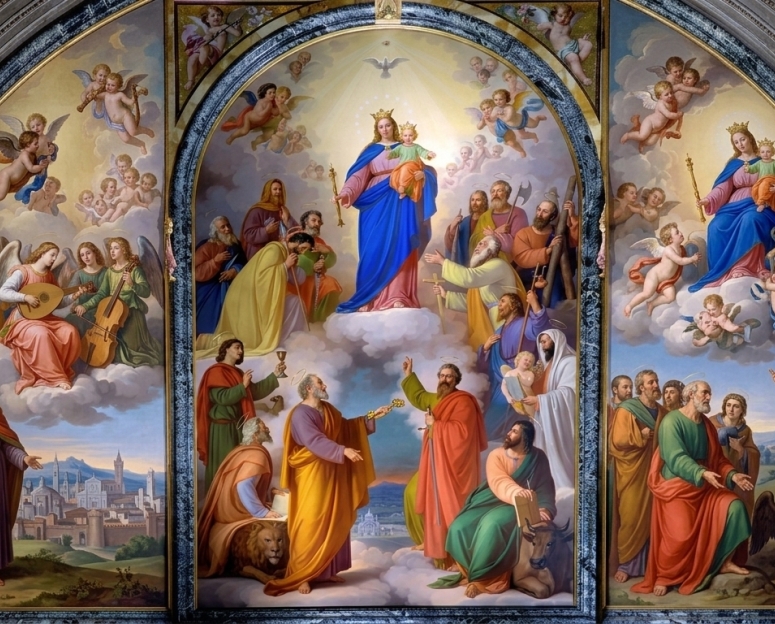
Prayer to Mary, Help of Christians
Most Holy Virgin Mary, Help of Christians,
how sweet it is to come to your feet
imploring your perpetual help.
If earthly mothers cease not to remember their children,
how can you, the most loving of all mothers, forget me?
Grant then to me, I implore you,
your perpetual help in all my necessities,
in every sorrow, and especially in all my temptations.
I ask for your unceasing help for all who are now suffering.
Help the weak, cure the sick, convert sinners.
Grant through your intercessions many vocations to the religious life.
Obtain for us, O Mary, Help of Christians,
that having invoked you on earth
we may love and eternally thank you in heaven.
Amen.
St. John Bosco (1815-1888)
Image: Paul Newton Fine Arts Pty Ltd.
Sydney, Australia

A Prayer for the Family
Composed by St Mother Teresa
Heavenly Father,
you have given us the model of life in the Holy Family of Nazareth. Help us, O Loving Father, to make our family another Nazareth where love, peace and joy reign. May it be deeply contemplative, intensely eucharistic, and revived with joy.
Help us to stay together in joy and sorrow in family prayer. Teach us to see Jesus in the members of our families, especially in their distressing disguise. May the eucharistic heart of Jesus make our hearts humble like his and help us to carry out our family duties in a holy way.
May we love one another as God loves each one of us, more and more each day, and forgive each other's faults as you forgive our sins. Help us, O Loving Father, to take whatever you give and give whatever you take with a big smile.
Immaculate Heart of Mary, cause of our joy, pray for us.
St Joseph, pray for us.
Holy Guardian Angels, be always with us, guide and protect us.
Amen.

Prayer for Priests and Deacons
Father, you have appointed your Son Jesus Christ eternal High Priest.
Guide those he has chosen to be ministers of word and sacrament and help them do be faithful in fulfilling the ministry they have received.
Grant this through our Lord Jesus Christ, your Son, who lives and reigns with you and the Holy Spirit, one God, for ever and ever.
Amen.


Our experienced lead chaplains in our Australian Defence Force services.

Chaplains have long been a feature of the Australian military.

For all Visiting Clergy and Religious
